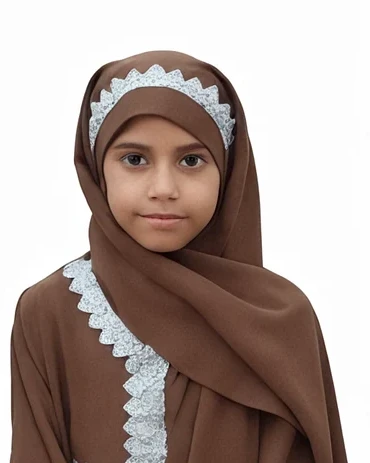
Hanan Ahmadi, whom the family also called Hanieh, was seven years old and in first grade. Her brother, Sobhan Ahmadi, was nine and in fourth grade. Their father says they were two years apart, but they were like inseparable twins. They would not go anywhere without each other. If one did not come, the other would not eat. Sobhan was calm and loyal. Hanan was lively and playful, always making the family laugh. Their room was always full of their voices, their laughter, and their little arguments.
On the morning of the attack, Hanan woke up with unusual excitement. She washed her face, her mother combed and tied her hair, and she asked more than once whether she looked neat and beautiful. The night before, she had asked her mother to wash her school bag.
During the bombardment, Sobhan showed his final courage. One mother later said she had told him to come with them. He started to leave, then suddenly remembered: his sister was still there. He turned back to look for Hanan. Then the second missile struck.
Sobhan was found in the girls’ school.
Their father received a call from the school around 11 o’clock, telling him to come and take the children because the school was closing. On the way, before he reached the school, he heard the explosions. When he arrived, the school had been destroyed. At first, he still imagined his children were alive. Then he realized that the destroyed part of the building was exactly where his daughter’s class had been upstairs and his son’s class downstairs.
Hanan was found at 11 at night. Her teacher had taken several children into her arms, and Hanan was one of them. Her head had been injured, but her face and body were still intact.
Sobhan went back into danger for his sister. Sobhan and Hanan left behind two empty places in a six-person home that became four. But they also left behind a truth no missile can destroy: childhood, at its purest, can carry more courage and compassion than the armies that kill it.